
WHAT WE FIGHT FOR
Pennsylvania’s policymakers should make it the smart business decision to locate, hire, and expand in our commonwealth. Attracting investment means creating family- and community-sustaining jobs. Making PA Better, a project of the Pennsylvania Manufacturers’ Association, advances policies that strengthen our economy and workforce.
OUR ISSUES
Pennsylvania’s policymakers should work to make it the smart business decision to locate, hire, and expand here in our commonwealth rather than in one of our competitor states. Attracting business investment here means family and community sustaining jobs.
Restrain State Spending
When government spending grows faster than the private sector, it stifles private sector growth because it creates uncertainty when it comes to tax rates to make up for that deficit spending.
Pennsylvania’s policymakers should support the Taxpayer Protection Act to control state government spending and ensure that government spending does not grow at a rate faster than the private sector can earn it.
Regulatory Reform
It is imperative that Pennsylvania not enact laws or regulations that place Pennsylvania at a competitive disadvantage to our competitor states. Laws and regulations should not be more stringent than federal regulations or laws unless there is a compelling reason that is unique to our commonwealth.
Pennsylvania is fortunate to have abundant natural resources. Individuals have been and continue to be attracted to the Keystone state because of the vast choices for outdoor recreation and quality of life. Likewise, many of those natural resources have been the source of prosperity for the state throughout different points in our commonwealth’s history.
It is important to ensure that environmental regulation is approached on sound scientific evidence to ensure that regulations are reasonable and within technological limits. Likewise, it is critical that these regulations actually achieve real environmental benefits and do not advantage one sector of the economy to the detriment of another.
Pro-growth Tax Relief
Pennsylvania’s tax structure contains some of the highest rates and most restrictive provisions in the nation. Pennsylvania's economic growth is woefully inadequate compared to other states. Our Gross Domestic Product continues to trend below the US average and the commonwealth continues to lose its working population as a result.
Study after study shows Pennsylvania’s business taxes to be among the highest and least competitive in the nation. The “sticker shock” of high taxes makes it difficult to show a business prospect all of Pennsylvania’s many attributes. To be competitive, it is essential that Pennsylvania reforms business taxes to enhance our overall business competitiveness.
Pennsylvania’s Policymakers must accelerate the lowering the Corporate Net Income tax rate from 8.99 percent to a much lower percentage that is competitive amongst the states where business investment is locating. Additionally, Net Operating Loss Carryforwards should be uncapped from the current 40% as Pennsylvania is one of only 2 states that applies such a limit that discourages business investment. This damaging provision serves as a penalty to start-up businesses.
Comprehensive Lawsuit Abuse Reform
Philadelphia was recently ranked the nation’s top “judicial hellholes” for its penchant to allow frivolous lawsuits to go forward while juries give super-sized damage awards. However, Pennsylvania’s problems are not limited to the confines of the City of Brotherly Love.
To be competitive, Pennsylvania must enact reforms to make the state's legal system fair, predictable, and even-handed. True, permanent, and comprehensive legal reform would create jobs and stimulate investment in the commonwealth while actually reducing the expenses of state, municipal, and school district governments. Injured parties must be treated fairly, but justice doesn’t have to come at a price that threatens innovation, competition, and profitability.
Unleash Pennsylvania Energy
Pennsylvania is the largest exporter of electricity, second largest producer of natural gas, and third largest producer of coal in America. We power the grid, and our production is essential to American energy leadership and national security.
The environmental movement has changed from activism to obstructionism. Obstruction of domestic energy production doesn’t lessen our dependence on energy. Instead, it shifts energy production to other locations and there is nothing environmentally friendly about relying on Russia, China, and Saudi Arabia for our energy needs when we can do it much cleaner here.
Decisions on energy policy at the state level will have national and global implications. Ultimately, Pennsylvania energy leadership is American energy leadership – and American energy leadership is essential to stabilize the geopolitics of the world.
Pennsylvania’s policymakers should adopt a pro-production agenda to ensure businesses are able to procure plentiful, reliable, and affordable energy.
Workforce readiness and educational choice
Businesses have a continuing need for employees who will arrive ready to work; be able to work in a group environment; read and give written instructions; make effective use of oral communication skills; perform basic math functions necessary for the job; and operate a piece of technology or equipment. The commonwealth should regularly review existing education and workforce development programs to ensure that each is achieving high quality results at an acceptable cost-per-student.
Pennsylvania’s policymakers should support school choice, coordinating and consolidating best-practice workforce development programs, and expansions of Educational Improvement Tax Credit program.
Restrain State Spending
When government spending grows faster than the private sector, it stifles private sector growth because it creates uncertainty when it comes to tax rates to make up for that deficit spending.
Pennsylvania’s policymakers should support the Taxpayer Protection Act to control state government spending and ensure that government spending does not grow at a rate faster than the private sector can earn it.

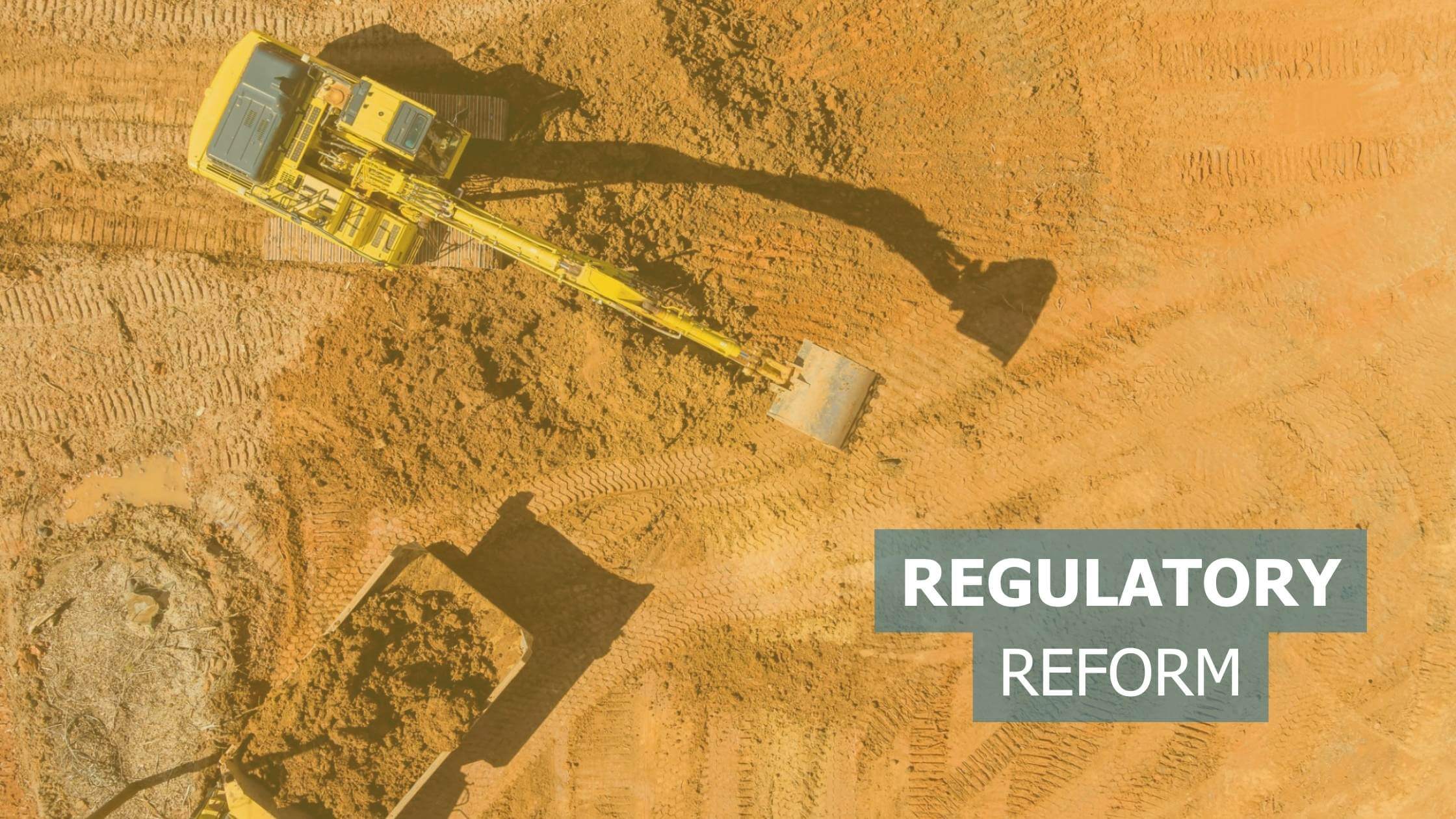
Regulatory Reform
It is imperative that Pennsylvania not enact laws or regulations that place Pennsylvania at a competitive disadvantage to our competitor states. Laws and regulations should not be more stringent than federal regulations or laws unless there is a compelling reason that is unique to our commonwealth.
Pennsylvania is fortunate to have abundant natural resources. Individuals have been and continue to be attracted to the Keystone state because of the vast choices for outdoor recreation and quality of life. Likewise, many of those natural resources have been the source of prosperity for the state throughout different points in our commonwealth’s history.
It is important to ensure that environmental regulation is approached on sound scientific evidence to ensure that regulations are reasonable and within technological limits. Likewise, it is critical that these regulations actually achieve real environmental benefits and do not advantage one sector of the economy to the detriment of another.
Pro-growth Tax Relief
Pennsylvania’s tax structure contains some of the highest rates and most restrictive provisions in the nation. Pennsylvania's economic growth is woefully inadequate compared to other states. Our Gross Domestic Product continues to trend below the US average and the commonwealth continues to lose its working population as a result.
Study after study shows Pennsylvania’s business taxes to be among the highest and least competitive in the nation. The “sticker shock” of high taxes makes it difficult to show a business prospect all of Pennsylvania’s many attributes. To be competitive, it is essential that Pennsylvania reforms business taxes to enhance our overall business competitiveness.
Pennsylvania’s Policymakers must accelerate the lowering the Corporate Net Income tax rate from 8.99 percent to a much lower percentage that is competitive amongst the states where business investment is locating. Additionally, Net Operating Loss Carryforwards should be uncapped from the current 40% as Pennsylvania is one of only 2 states that applies such a limit that discourages business investment. This damaging provision serves as a penalty to start-up businesses.


Unleash Pennsylvania Energy
Pennsylvania is the largest exporter of electricity, second largest producer of natural gas, and third largest producer of coal in America. We power the grid, and our production is essential to American energy leadership and national security.
The environmental movement has changed from activism to obstructionism. Obstruction of domestic energy production doesn’t lessen our dependence on energy. Instead, it shifts energy production to other locations and there is nothing environmentally friendly about relying on Russia, China, and Saudi Arabia for our energy needs when we can do it much cleaner here.
Decisions on energy policy at the state level will have national and global implications. Ultimately, Pennsylvania energy leadership is American energy leadership – and American energy leadership is essential to stabilize the geopolitics of the world.
Pennsylvania’s policymakers should adopt a pro-production agenda to ensure businesses are able to procure plentiful, reliable, and affordable energy.
Comprehensive Lawsuit Abuse Reform
Philadelphia was recently ranked the nation’s top “judicial hellholes” for its penchant to allow frivolous lawsuits to go forward while juries give super-sized damage awards. However, Pennsylvania’s problems are not limited to the confines of the City of Brotherly Love.
To be competitive, Pennsylvania must enact reforms to make the state's legal system fair, predictable, and even-handed. True, permanent, and comprehensive legal reform would create jobs and stimulate investment in the commonwealth while actually reducing the expenses of state, municipal, and school district governments. Injured parties must be treated fairly, but justice doesn’t have to come at a price that threatens innovation, competition, and profitability.


Workforce readiness and educational choice
Businesses have a continuing need for employees who will arrive ready to work; be able to work in a group environment; read and give written instructions; make effective use of oral communication skills; perform basic math functions necessary for the job; and operate a piece of technology or equipment. The commonwealth should regularly review existing education and workforce development programs to ensure that each is achieving high quality results at an acceptable cost-per-student.
Pennsylvania’s policymakers should support school choice, coordinating and consolidating best-practice workforce development programs, and expansions of Educational Improvement Tax Credit program.

RESOURCES
NAV MENU